
The Cost of Ideological Purity
Black BoxThe adults’ claims to moral certainty repeatedly threaten the ordinary relationships they say they are trying to protect.
increasing Bearing strength in each event
 decreasing
Bearing strength in each eventdecreasingThe Scholar’s Abstraction

The Scholar’s Abstraction
History as a system
Alexander classifies zealots and reformers through an analytical vocabulary. The work gives him intellectual command over movements that promise salvation.
Personal evasions remain
His expertise does not teach him how to answer Ilana or care for Boaz. The novel places abstract insight beside intimate failure.
Michel’s Moral Certainty
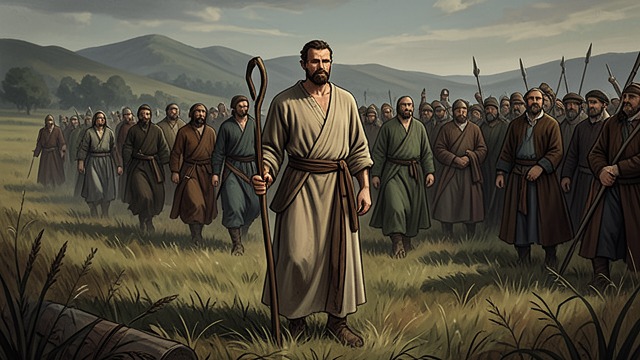
Michel’s Moral Certainty
A defined path
Michel urges Torah, self-restraint, and the redemption of land. He believes people should be guided toward what is right.
The pressure of sameness
Boaz objects that Michel expects everyone to become like him. The conflict shows how ethical guidance can harden into a demand for conformity.
Ilana’s Domestic Rebellion
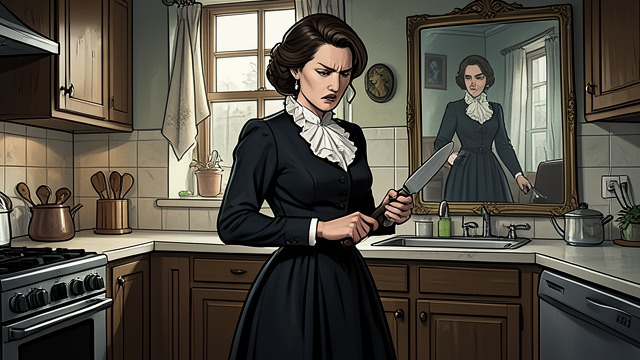
Ilana’s Domestic Rebellion
A life assigned
Ilana imagines becoming the perfect political wife, managing meals, guests, clothes, and social duties. The imagined future feels like a slow disappearance.
Refusal without clarity
She cannot yet say what life she wants instead. Her departure is an act against a role before it becomes a confident alternative.
Boaz’s Communal Test
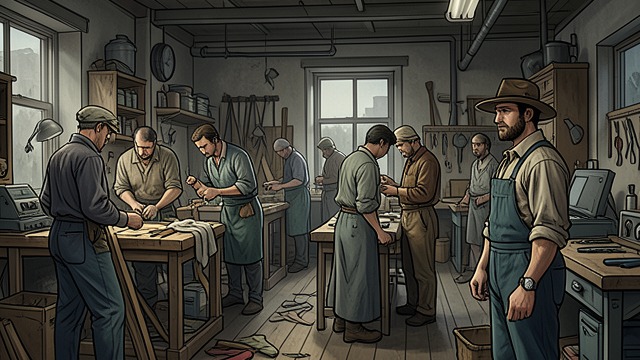
Boaz’s Communal Test
Difference permitted
The commune accepts people without requiring a shared doctrine, while expecting them to work and treat one another decently. Its values are enacted through practical routines.
An incomplete experiment
The community can still falter and does not solve its members’ histories. Its significance lies in permitting difference without declaring it impure.
The Cost of Purity
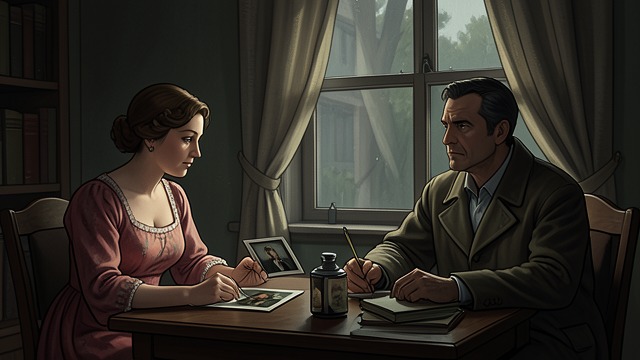
The Cost of Purity
Broken family ties
Michel’s religious marriage law separates Ilana from Yifat, while Alexander’s political analysis and illness leave him unable to repair the family. Each system claims a moral rationale.
Ordinary care survives
Food, medicine, work, and shelter remain more immediate than purity. The novel ends by emphasizing the human cost of certainty without presenting an easy judgment.
Early 1976
Spring–summer 1976
August 1976
September 1976
October 1976
